
Red light and infrared light therapies can offer significant benefits for those suffering from peripheral neuropathy, including pain relief, improved nerve function, nerve regeneration, and better circulation.
- Improved Circulation
- Reduces Inflammation
- Analgesic Effects:
- Promotes Nerve Healing:
- Increased Nerve Growth Factor (NGF)
- Enhanced Nerve Conduction
- Reduction in Sensory Impairments
- Improved Cellular Energy Production
- Faster Tissue Repair
- Reduction in Swelling and Edema
- Healing for Ulcers and Wounds
Seated vibration therapy is a valuable tool for managing peripheral neuropathy by improving circulation, reducing pain, enhancing nerve function, and easing muscle tension. By stimulating nerves and muscles, vibration therapy helps alleviate symptoms like tingling, numbness, and weakness, ultimately improving mobility, balance, and quality of life. It offers a non-invasive, low-risk option that can be used in conjunction with other therapies to address the multifaceted challenges of neuropathy.
- Reactivation of Nerves
- Improved Circulation
- Improvement in Sensory Function
- Pain Reduction
- Easing Muscle Spasms
- Muscle Strengthening
- Improvement in Gait
- Desensitizing Effect
- Calming Effect
Frequency Therapy provides a comprehensive, non-invasive solution for managing peripheral neuropathy. By using electrical impulses to stimulate nerve and muscle function, it can help alleviate pain, improve circulation, promote nerve regeneration, and restore muscle strength and function. It’s a convenient, drug-free option for people seeking to manage their neuropathy symptoms and improve their quality of life.
- Restoring Sensation
- Improved Nerve Function
- Prevention of Atrophy
- Regaining Balance
- Reduced Foot Drop
- Pain Relief
- Nerve Regeneration and Repair
Neuropathy Relief™ Neuropathy and Arthritis Pain Relieving Cream is a specially formulated topical treatment designed to alleviate the discomfort caused by neuropathy and arthritis. This cream offers a wide range of benefits for individuals suffering from peripheral neuropathy, including pain reduction, inflammation relief, and the easing of muscle tension and joint stiffness. Additionally, it promotes improved circulation, enhances skin health, and provides targeted relief from symptoms such as tingling, numbness, and "pins and needles" sensations.
- Desensitizing Nerve Endings
- Calming the Nerves
- Improving Skin Integrity
- Joint Pain Relief
- Enhanced Blood Flow
- Tissue Oxygenation
- Soothing Effect
The 9 essential oils blend from Neuropathy Relief™ can be highly beneficial for neuropathy sufferers due to its combination of anti-inflammatory, analgesic, muscle-relaxing, and circulation-boosting properties. Oils like Frankincense and Myrrh promote nerve regeneration and reduce inflammation, while Lavender, Chamomile, and Peppermint help alleviate pain and improve sleep. Eucalyptus and Cedarwood aid in improving circulation, while Geranium and Grapeseed oil support skin health and tissue repair. By combining these powerful oils, this blend provides comprehensive relief for the symptoms of peripheral neuropathy, improving both comfort and overall well-being.
What is Peripheral Neuropathy?
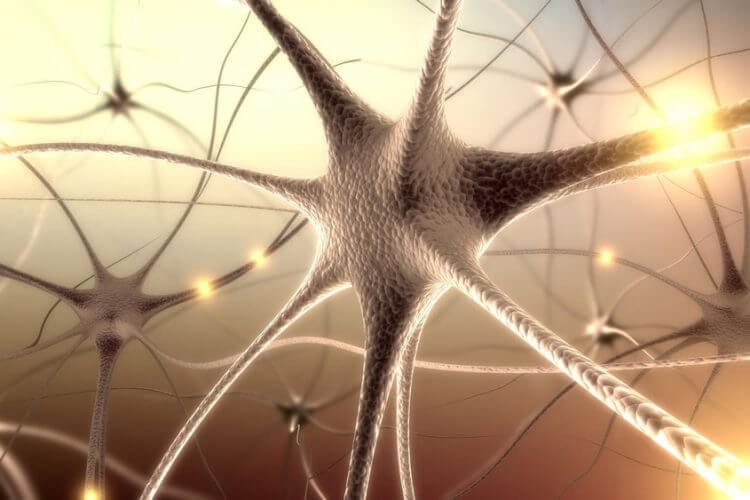
The peripheral nervous system is responsible for the communication between the central nervous system (brain and spinal cord) and the rest of the body. “Peripheral” refers to anything that is not the brain or the spinal cord. “Neuropathy” refers to nerves that are diseased, damaged or not functioning correctly. There are various terms that may be applied to neuropathies. Mononeuropathy means a single nerve is damaged. Polyneuropathy can be used to describe involvement or damage to many nerves.
Causes of Peripheral Neuropathy
There are many potential causes of peripheral neuropathy. The most commonly diagnosed causes are diabetes, chemotherapy and “idiopathic”. A diagnosis of idiopathic peripheral neuropathy is given if the doctor is not certain of the cause. In my experience, more than one factor often contributes to the condition.
Some of the most common causes include:
- Diabetes / Pre-Diabetes
- Poor Circulation
- Chemotherapy
- Trama or Surgery
- Spinal Stenosis / Spinal Arthritis
- Autoimmune
- Hormonal Imbalances
- Cancer
- Infections (viral or bacterial)
- Alcohol Abuse
- Liver/ Kidney Disease
- Nutritional Imbalances
- Several Medications/Pharmaceuticals
- Toxins
- Genetics
Causes of Peripheral Neuropathy
There are many potential causes of peripheral neuropathy. The most commonly diagnosed causes are diabetes, chemotherapy and “idiopathic”. A diagnosis of idiopathic peripheral neuropathy is given if the doctor is not certain of the cause. In my experience, more than one factor often contributes to the condition.
Some of the most common causes include:
- Diabetes / Pre-Diabetes
- Poor Circulation
- Chemotherapy
- Trama or Surgery
- Spinal Stenosis / Spinal Arthritis
- Autoimmune
- Hormonal Imbalances
- Cancer
- Infections (viral or bacterial)
- Alcohol Abuse
- Liver/ Kidney Disease
- Nutritional Imbalances
- Several Medications/Pharmaceuticals
- Toxins
- Genetics
Commonly Affected Areas
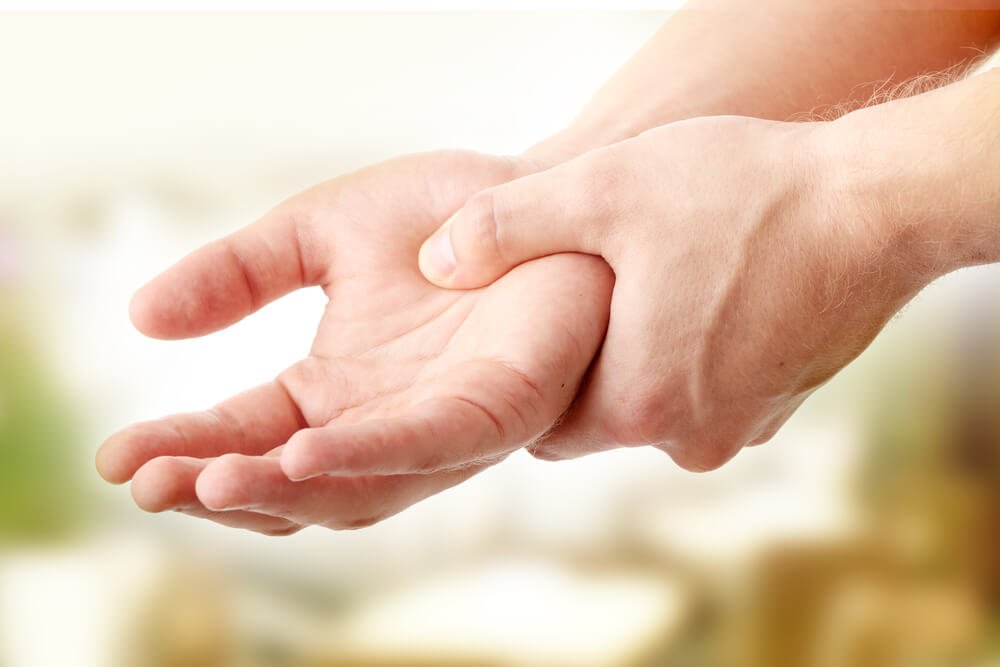
Three quarters of all cases are classified as, “length-dependent polyneuropathies”. Meaning, the symptoms start in the toes or fingers and progress up toward the knees or elbows.
In addition to the extremities, peripheral neuropathy can affect the torso, face, neck, internal organs like the lungs, kidneys, liver, stomach and intestines, as well as, the external organs like the skin, eyes, nose, ears and tongue.
These areas can include:
- Toes
- Feet
- Ankles
- Shins
- Knees
- Fingers
- Hands
- Wrists
- Arms
Common Symptoms
The most common type of peripheral neuropathy is considered progressive and continues to get worse over time. Occasional tingling can escalate into unrelenting stabbing pains. Numbness, which is often described as a “heavy”, “dead”, “leathery”, or the feeling that “they are not my own”, can spread from the toes or bottom of the feet, up to the knees. Instability can lead to poor balance and the increased risk of falling. Due to the fear of falling, heightened concentration can make walking an overly fatiguing experience. Neuropathy can also start or spread into the hands and arms, making dressing or grasping everyday items difficult. Sleep can be disrupted due to muscle cramps, burning or stabbing pains. Hypersensitivity can make walking, wearing shoes or even the weight of the bed sheets uncomfortable. Some neuropathy sufferers wear socks or gloves to bed year-round due to persistent cold sensations. Neuropathy can lead to muscle fatigue, weakness and muscle loss. Most commonly, sensory related symptoms precede muscle related symptoms.
Symptoms vary depending on the type of nerves that are damaged: sensory, motor or autonomic.
- Sensory nerves transmit information about what you feel; pain, pressure, light touch, temperature, proprioception (where feet or hands are in space… eg. balance).
- Motor nerves control the movement of your muscles.
- Autonomic nerves control organs regulated to breathing, digesting food, heart and gland functions.
Common symptoms include:
- Numbness – Unable to feel your hands or feet. Difficulty driving and loss of dexterity in fingers and toes.
- Tingling – Annoying tingling sensations that can be constant, or come and go.
- Electrical/Stabbing Pain – Over-active nerves shoot randomly and without warning.
- Burning – Commonly felt in the feet; burning/hot sensations make it uncomfortable to walk and can disrupt sleep.
- Poor Balance – Instability and fear of falling that can make it uncomfortable when walking in an open space.
Additional symptoms can include:
- Pins and Needles
- Loss of Dexterity
- Bunched-Up Sock Feeling
- Hurts to Walk
- Soles Feel too Thick or Thin
- Feeling of Tightness or Bands
- Shoes Uncomfortable
- Muscle Twitching
- Dropping Items
- Cannot Tell How Hard You Are Grasping


Take the Next Step!
We encourage you to reach out to us today. We are always happy to answer your questions and discuss the appropriate next steps tailored specifically to your case. You don’t have to navigate the complexities of nerve discomfort, numbness, or loss of balance alone; we are here to provide the clarity and support you need.
By reaching out to us by phone or email, you gain access to a wealth of expertise and a compassionate approach centered on your long-term recovery. Whether you are looking for specific treatment details or simply wish to voice your health concerns, we are ready to help you reclaim your mobility and quality of life. Your path to lasting relief is just a conversation away—let’s start that journey together right now.